When people visit a sexual health website, they are rarely browsing out of curiosity. They are often anxious, short on time, and trying to find sensitive information on a mobile phone.
In specialist health services, digital access directly shapes how demand flows through the wider system. When clarity breaks down online, the need does not disappear. It shifts to phone lines, clinics, and frontline teams, increasing pressure at precisely the moments services are most constrained.
For Sandyford, the specialist sexual health service for NHS Greater Glasgow and Clyde, the website plays a critical operational role. On average, around 75,000 people use the site each month, with almost all access taking place on mobile devices. How information is structured, prioritised, and explained online directly affects how people move through the service and how demand is experienced in practice.
A technical mandate, and a choice
The project was triggered by a mandated technical requirement: Sandyford’s websites needed to migrate from Umbraco to WordPress and move onto NHS SHOW infrastructure for security and support reasons.
However, the in-house team were clear that this should not be a like-for-like rebuild. The migration was treated as an opportunity to address known challenges around clarity, content sprawl, and ownership, rather than carrying existing problems forward into a new platform.
Border Crossing UX was engaged to work directly alongside Sandyford’s internal team, coaching and supporting them to plan, structure, and deliver the new Sandyford website, with full ownership retained by the service at handover.
Working collaboratively under real constraints
From the outset, the way the work was structured mattered as much as the output itself. Sandyford were explicit that they wanted to build internal capability, not create long-term dependency on external suppliers.
We worked closely with Communications, Health Improvement, and Operations teams throughout the process, combining in-person working sessions with ongoing remote support. Across a number of sessions, we worked through the full scope of the service. From clarifying responsibilities and constraints, through to information architecture, content structure, governance, and launch readiness.
Early on, we documented the practical boundaries across all parties involved. NHS National Services Scotland would provide the hosting infrastructure, NHS GGC would provide technical support, and Sandyford would retain responsibility for content, governance, and ongoing improvement. Making these constraints explicit helped prevent decisions being revisited later and kept the work focused on what could genuinely be changed.
Understanding the wider service landscape
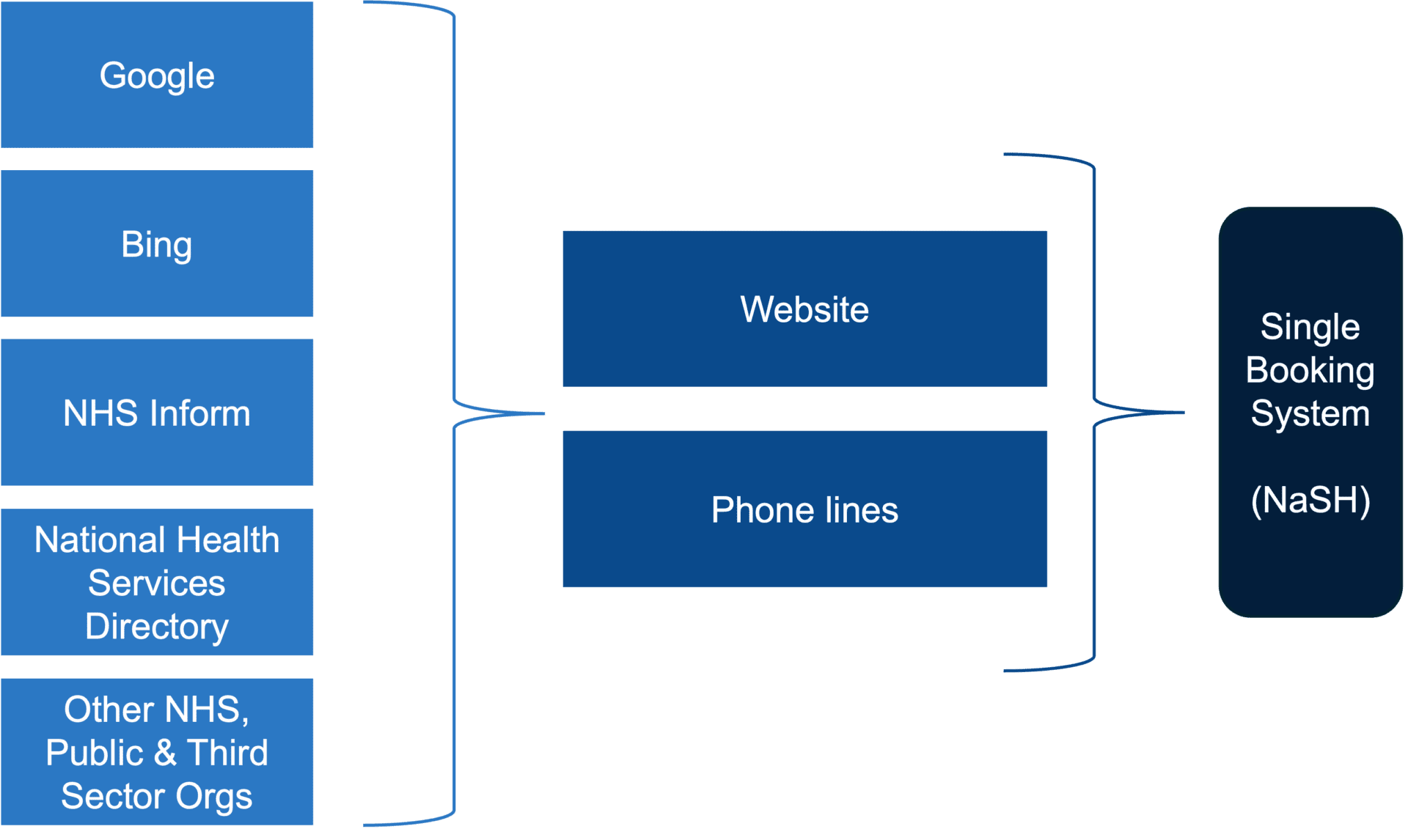
Although Sandyford understood that patient journeys do not begin on the homepage, mapping the wider digital ecosystem made the scale of fragmentation visible.
A single journey might involve search engines, local listings, related services such as Free Condoms Glasgow or Archway, NHS Inform, national booking systems, and internal NHS platforms. Many of which sit outside Sandyford’s direct control.
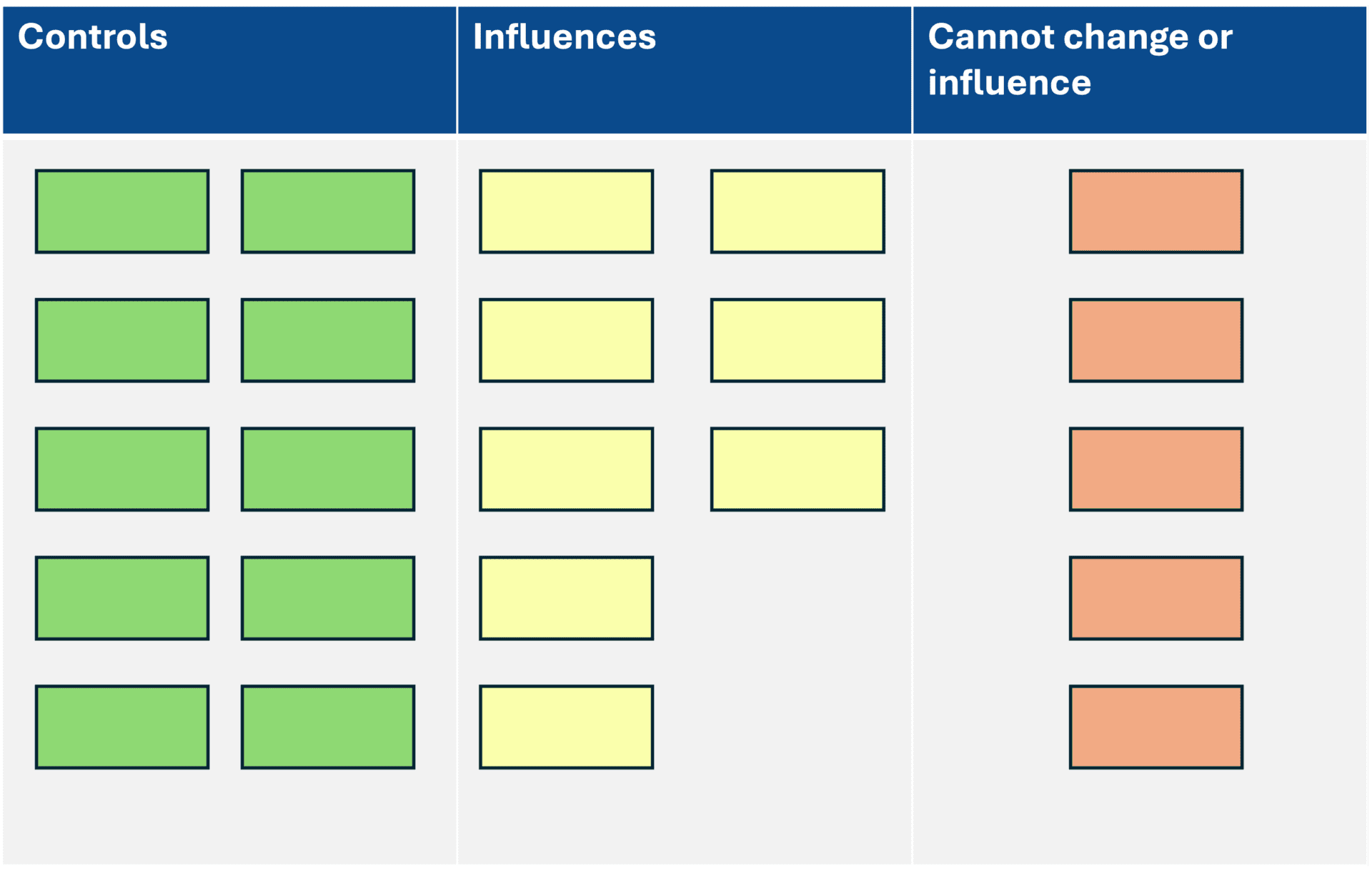
Mapping this landscape helped distinguish between:
- issues Sandyford could resolve immediately,
- issues they could influence over time,
- and issues that would require broader system-level change.
This distinction was critical for prioritisation and for setting realistic expectations internally.
Establishing clarity before making changes
Before any content was rewritten or structures redesigned, it was important to establish a shared basis for decision-making.
Working with the internal team, we synthesised insights from analysis, research, and best-practice guidance into a small set of agreed outcomes and practical principles. These were designed to support day-to-day decisions about trade-offs, scope, and consistency, not just to describe intent.
Agreeing these foundations early reduced the risk of decisions being unpicked later and ensured that changes would hold up as services, constraints, and priorities evolved.
Designing for very different needs, under pressure
The website needed to support people with a wide range of circumstances and levels of familiarity, often under stress and time pressure.
Rather than designing for a single “typical” user, the team considered people who:
- needed urgent support,
- believed they knew what service they required but did not,
- were unfamiliar with the service and needed basic guidance,
- were acting on behalf of someone else,
- or faced barriers related to language, accessibility, or digital confidence.
Supporting such diversity required careful balance. In some cases, this meant deliberately slowing the journey slightly to ensure people had the context they needed before acting, particularly where eligibility, referral routes, or expectations could easily be misunderstood.
Doing the hard work to make things simpler
Historically, Sandyford’s website had grown to include hundreds of pages of general sexual health information and professional guidance. Over time, this depth began to work against people trying to complete practical, service-critical tasks.
Working with the internal team, we audited the content to identify what was still needed, what required updating, and what could be removed or signposted elsewhere. National public health information was redirected to NHS Inform, and professional guidance was moved to internal systems.repl
This reduced the website from over 1,000 pages to fewer than 50. Not by removing value, but by focusing the site on what people actually needed in order to access services.
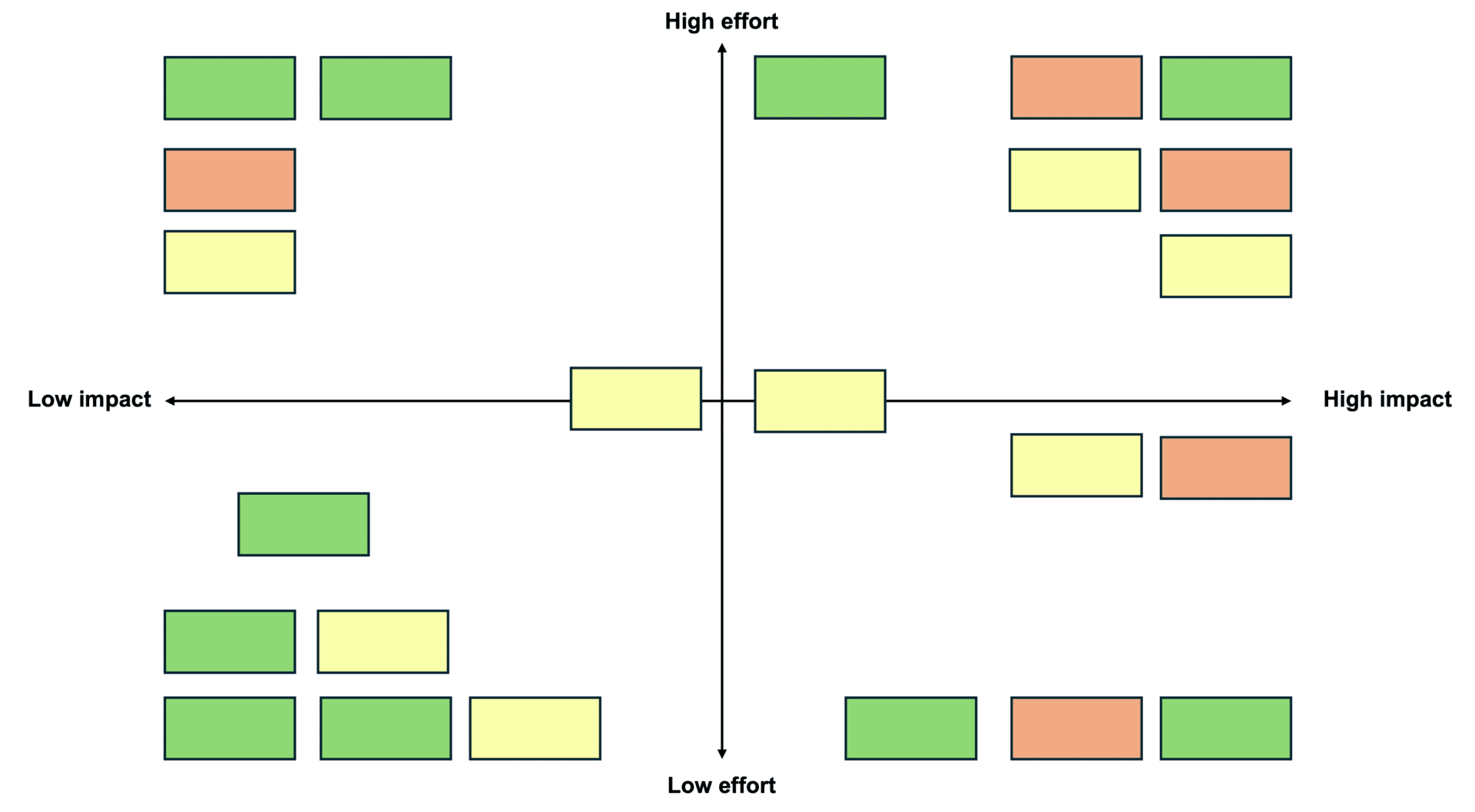
Items recognised as valuable but out of scope for launch were captured in a backlog, allowing the team to remain focused while retaining a clear record of future impovements.
Managing expectations through content and structure
A recurring source of frustration was misunderstanding how access worked in practice. Not all services are bookable, eligibility varies, and appointments are released within constrained windows shared across channels.
We restructured service pages to explain eligibility, referral routes, and what to expect before people attempted to act. Navigation and terminology were adjusted so that users encountered context before calls to action, reducing dead ends and unnecessary reassurance-seeking via phone lines.
This was a deliberate choice to prioritise informed decisions over speed alone.
Building capability that lasts
The most important outcome of the work sits behind the website itself.
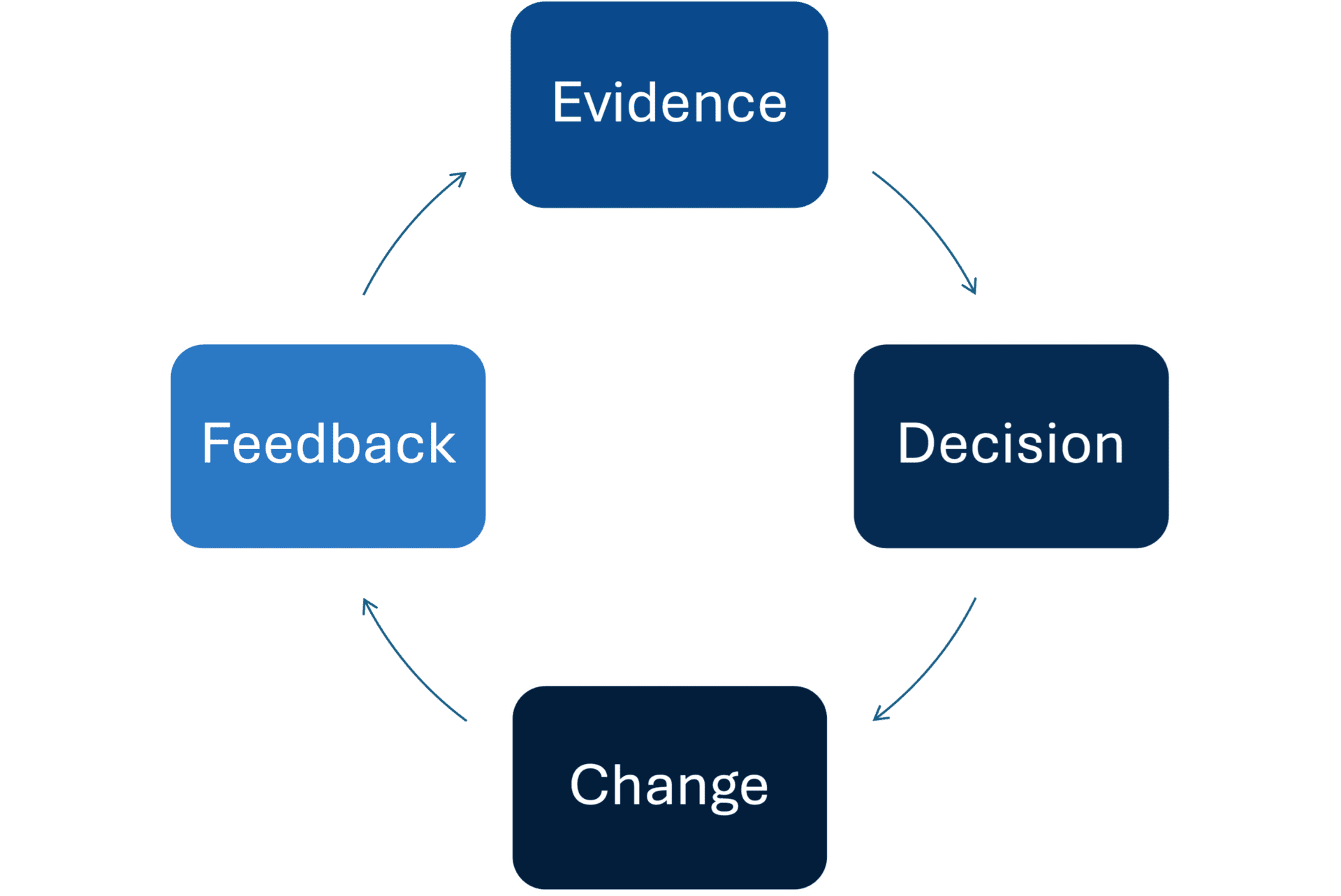
Decisions about structure, content, and prioritisation were made jointly, with rationale documented so the team could apply the same thinking to future changes without external input. Testing and feedback processes were agreed collaboratively, with clear ownership retained in-house.
The team now has confidence not just to manage the website, but to continue improving it as services evolve, using evidence rather than assumption to guide decisions.
Impact
The new Sandyford website launched in December. It is leaner, clearer, and designed around how people actually access services.
More importantly, Sandyford now has:
- clearer ownership of content and structure,
- decision principles that hold up under change,
- and feedback loops that support ongoing improvement rather than periodic redesigns.
The client experience
“Working with Border Crossing UX was a fantastic experience. Their ability to understand our needs and guide us through the best processes couldn’t have been better. I’ve also gained invaluable knowledge and skills that continue to benefit me past the project’s end.
Their down‑to‑earth, approachable style creates the perfect environment for genuine co‑production and delivering results. I felt fully supported and confident in their abilities from start to finish.”
Senior Communications Officer, Sandyford Sexual Health Services
“The experience of commissioning them to mentor and build our capability alongside adapting our website to meet patient and professional needs was a positive experience from start to finish. They taught, explained, mentored, and made us think. Nothing was ever too much from small questions to attending very long meetings to thrash out complicated issues.”
Health Improvement Lead, Sandyford Sexual Health Services
The website is the visible outcome. The lasting value is the capability behind it, enabling clarity for patients today, and adaptability for the service tomorrow.