
Synthetic data, confidence, and the risk of false certainty
Synthetic data can support exploration, but it can also create misplaced confidence. Clarity about evidence matters more than ever before.
Synthetic data can support exploration, but it can also create misplaced confidence. Clarity about evidence matters more than ever before.
At Border Crossing UX, we face a unique paradox: our most impactful work is often the work we are least allowed to show. But is the need for discretion a problem or the ultimate trustmark for a UX Consultancy?
Brand guidelines were never designed for the environments organisations now operate in. They assumed a world where experiences were relatively static, channels were limited, and expression could be controlled through assets: logos, colour palettes, and tone-of-voice documents. In that world, consistency was achieved by distribution and enforcement. That world no longer exists.

We are pleased to announce that Border Crossing UX has been officially named as a supplier on the Crown Commercial Services (CCS) Digital Outcomes and Specialists 7 (DOS 7) framework (RM1043.9).
Many organisations are making decisions faster than ever before. They have access to more data, more dashboards, and more real-time analysis than at any point in history. Yet, despite this technical abundance, many of those decisions are revisited repeatedly, challenged late, or fail to deliver the expected outcomes. The issue is rarely a lack of information. It is how confidence is constructed, and how easily performative certainty can become a substitute for evidence.

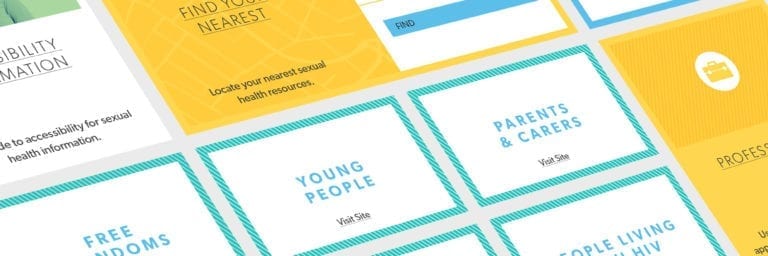
NHS GGC have appointed Border Crossing UX to support the development of the new Sandyford and Free Condoms websites. In addition to migrating content management systems, this project will be used as an opportunity to improve and streamline the existing websites.

We are proud to announce that, for the fifth consecutive year, we have successfully renewed our Cyber Essentials certification.
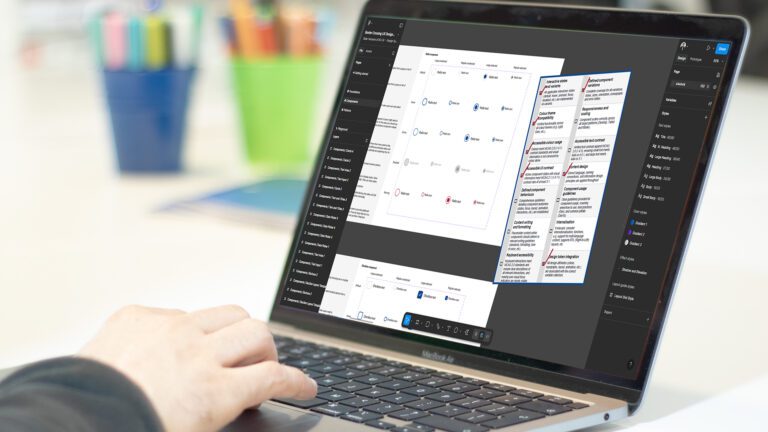
When creating a design system, you should think about developing and using a design checklist. A design checklist is a group of rules or standards that are tested against. They help ensure any foundation, component, pattern or element meets certain pre-defined criteria. Think of a design checklist as a quality assurance tool – a set of clear standards that all elements in your design system must meet.

The UX work we do is often invisible, but its impact is undeniable. Whilst this makes our roles at Border Crossing UX hugely fulfilling on a personal and professional level – it does make marketing our work and the outcomes we have achieved hard. So how can we market our impact when confidentiality is key?
Good working relationships are the basis of our business. That is why we are proud to sign The Aura Working Well Together Charter.
In this case study, find out how we worked with local charity Family Journeys to develop a new brand, internal tools and digital channels to increase their effieciency and reach.

Even though we’re a micro-company we’ve always been committed to operating a sustainable and environmentally responsible company. Over the past 15-years this has influenced everything. From the clients we’ve worked with, to the coffee we buy.
At Border Crossing UX we deeply care about making sure any service we work on is as simple to use as possible and quickly meets the need of the user. This is especially important for people dealing with potentially frustrating or stressful situations.
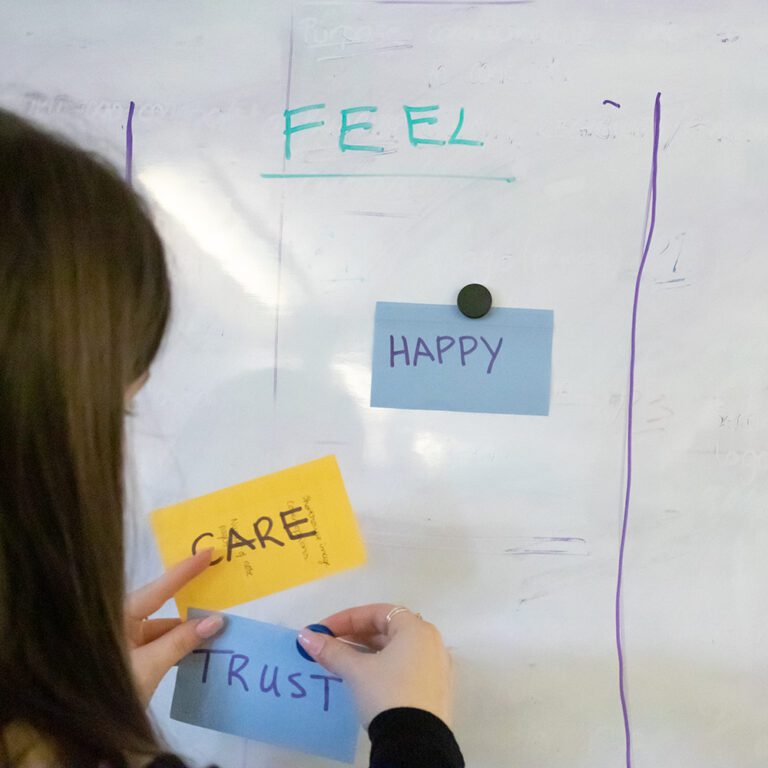
In this post, we’ll discuss how being a participant of a workshop can improve your facilitation skills. Any practical knowledge and expertise is strengthened by remembering what it feels like to be part of the experience. That’s why we truly think that this role reversal is something every user centred designer should regularly do.
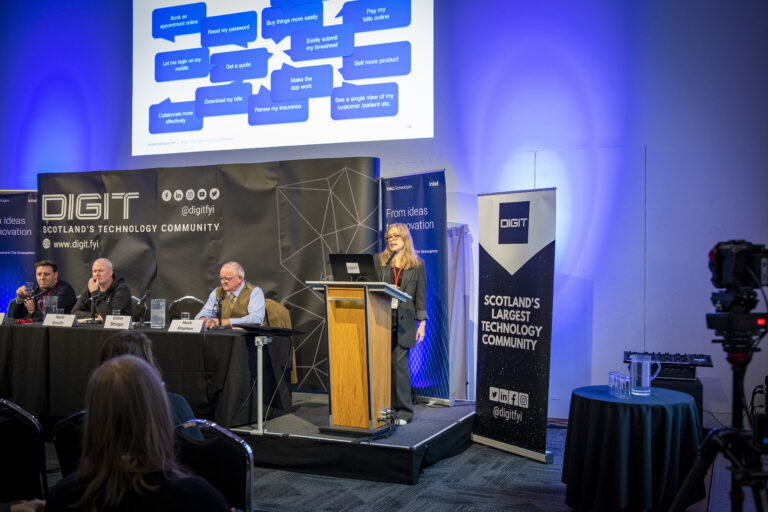
It might seem like a bold choice to give a talk about how people don’t care about digital transformation at a Digital Transformation Summit, but as an expert in User Research, Esther Stringer knows the importance of ensuring stakeholder buy in and giving users what they really want and need – something that works. This post gives an overview of the talk and its key takeawys.
The way the design thinking process embraces uncertainty and creatively works through problems makes it very effective in tackling complexity and creating new possibilities. This was the sentiment held by many speakers at the UX Scotland conference and is what we try to remember through every project at Border Crossing UX.
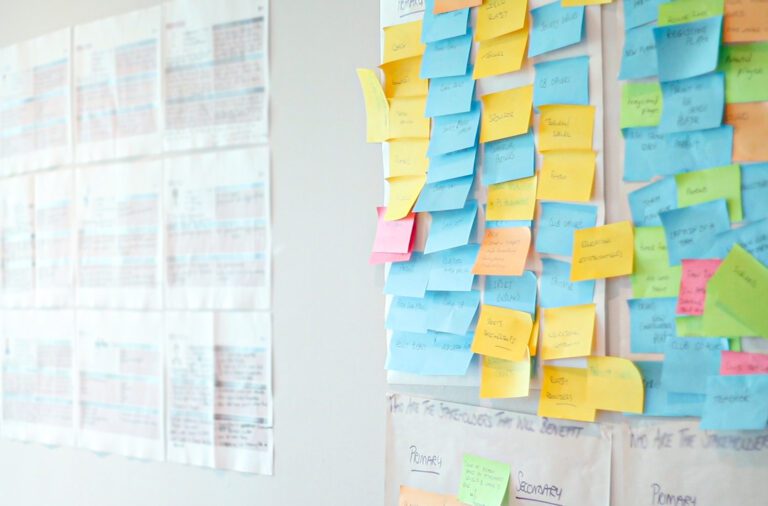
In this post, we’ll provide an overview of two key outputs that were developed following an engagement event, focussing on why and how these key deliverables were produced. We’ll also detail the additional links and resources that we benefited from throughout this project.
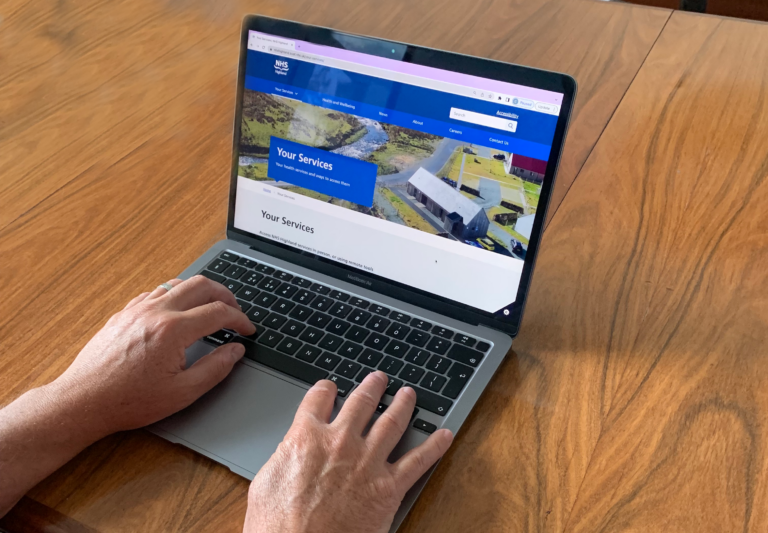
Following a competitive tendering process, Factory 73 was engaged to develop a new website for NHS Highland. As long-term partners, we were asked to help ensure a user centred approach was maintained throughout the design and development process.

We’re incredibly pleased to announce that over the coming months, we’ll be working on a new brand strategy and user-centred design project for Family Journeys. This initiative is part of our commitment to strengthen and support the communities we live in by providing pro-bono services to local charities and public sector organisations.
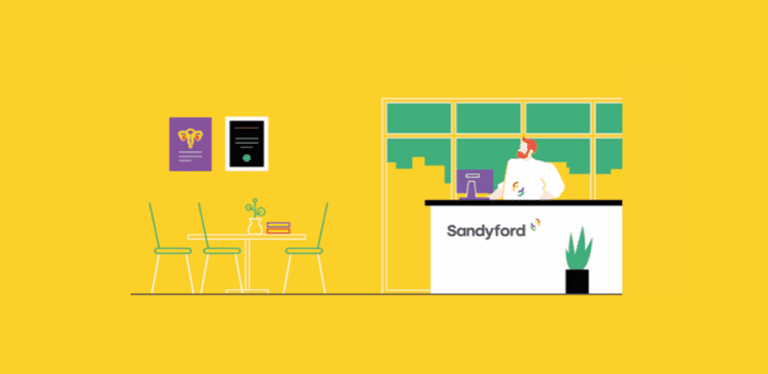
Sandyford Sexual Health Service wanted to explore key recommendations following a needs assessment of those who support adults with a learning disability on the topic of relationships and sexual health.
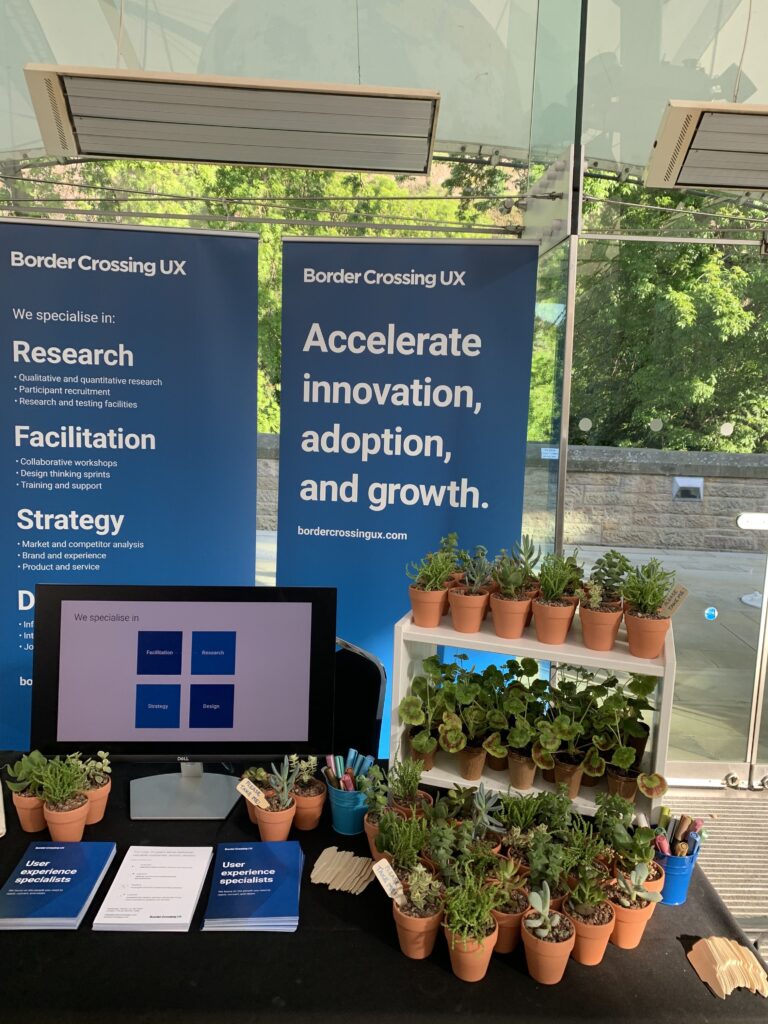
Explore how we redefined conference sponsorship and captivated attendees with our simple and unique approach to conference merch – potted plants. Through trial and error, we discovered how sustainability can thrive alongside business success.
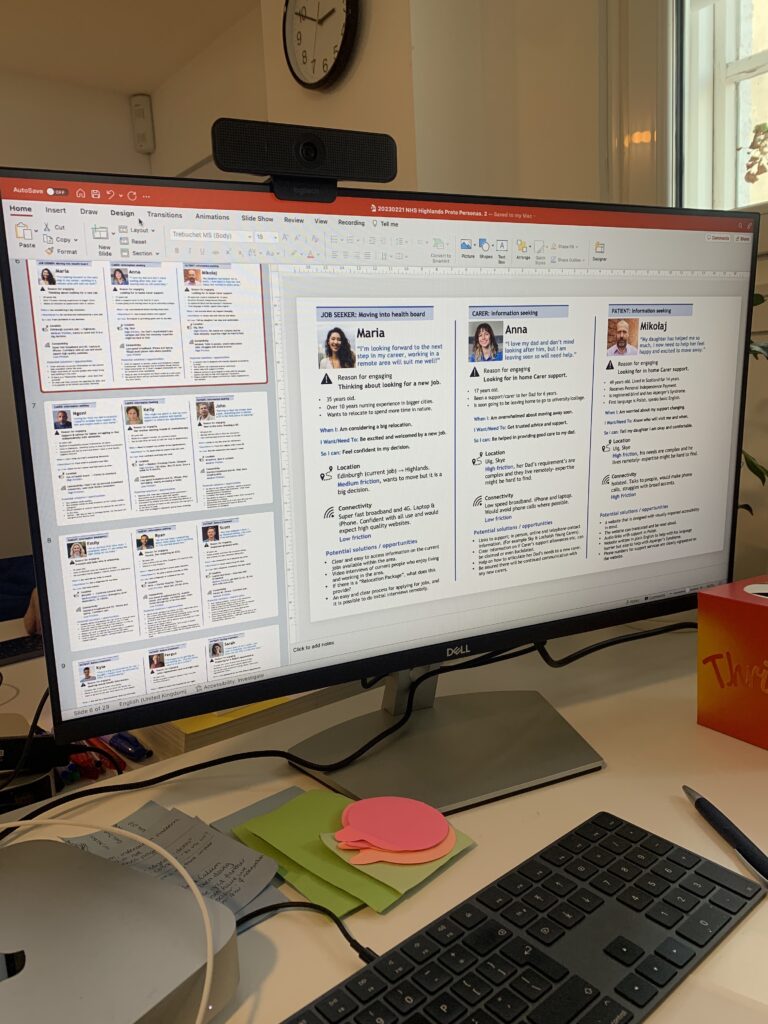
In the course of a recent project for NHS Highland we were asked to translate ‘discovery’ research into a set of representative and actionable proto-personas.

As external user experience consultants, there’s no doubt we’ve found the NHS design principles and digital service manual to be invaluable resources that we’ve turned to time and time again across a range of national and regional NHS projects we’ve worked on.

In this post we reflect on this year’s UX Scotland, sharing our key findings and learnings around three core themes: Communities, Culture, and Psychological Safety; Accessibility and Inclusion; AI, Mixed Realities, and the Future of UX.
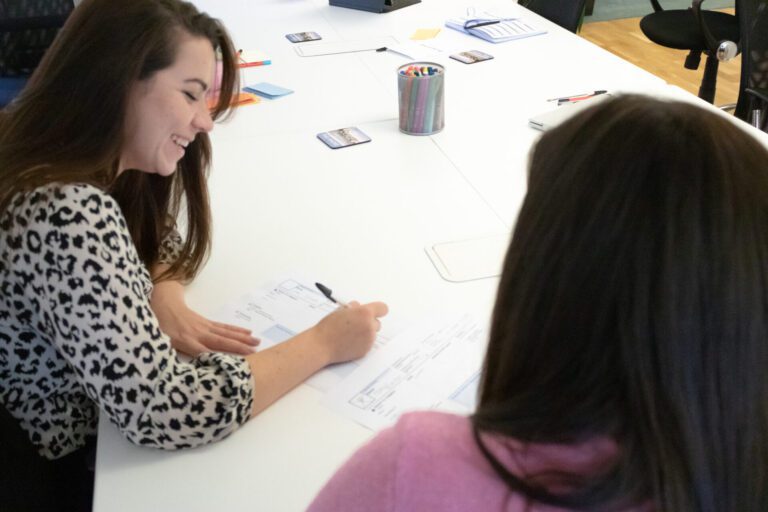
This week officially marked my one-year anniversary at Border Crossing UX. So as a “non-UX” individual working in the User Experience industry, I wanted to share some of the top things I have learned during my year in UX that may be of use to others considering entering the User Experience industry.
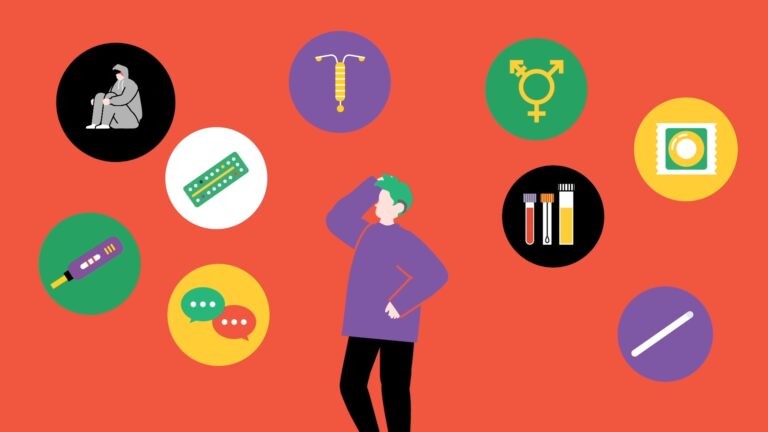
We’re delighted to confirm that we were awarded the contract to design and facilitate an engagement event for the Health Improvement team at Sandyford, a client we first worked with in 2017. We’ve been engaged to facilitate an event that identifies how best to translate the recommendations from a recent Needs Assessment report into an achievable action plan.

When developing a product or service that offers a successful solution, entrepreneurs typically adopt a hit-or-miss experiment. Framing assumptions as hypotheses can improve business experimentations and user experience design. In this post, we discuss the importance of building a culture of experimentation and different UX research techniques.
Whether you are looking to launch your website in a new country or are seeking to make your site more accessible to foreign-language speakers in your existing market, creating a seamless UX experience is the key to attracting new segments. So how can organisations ensure their websites perform well in different regions and languages?
Over the years we’ve worked with clients who have had some truly massive digital content libraries. In some instances, these are a genuine asset. There is a clear content strategy and legacy content is well maintained. This often results in a clear competitive advantage.

At Border Crossing UX we always work to influence positive change. We know that’s a goal that many of you share. That’s why we’ve gathered our favourite sustainable digital tips to help you be more environmentally friendly. See how you could have an impact.
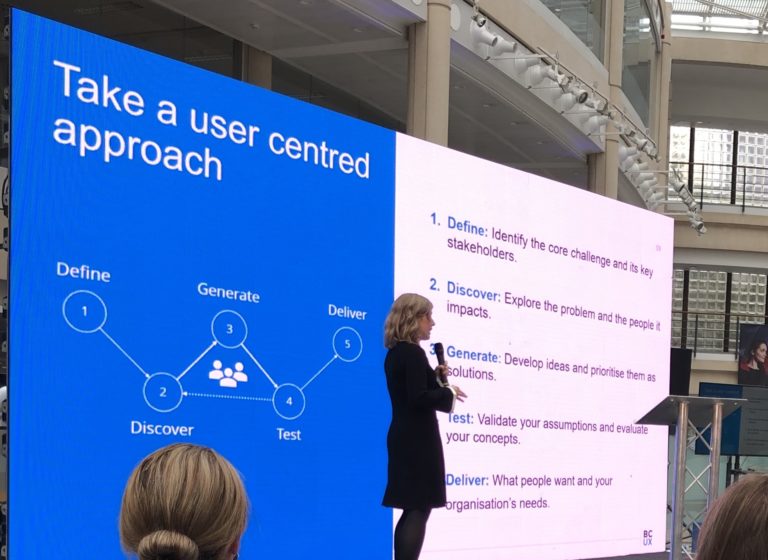
Lightning talks are a brilliant way to harness and share internal and external expertise. If you’ve participated in a research or design sprint before, then you’ll know how powerful a good lightning talk can be. In this post we discuss how to plan and prepare for them.
Industries, business models, products and services evolve over time. As the product lifecycle and S-curves depict, they tend to go through a predictable cycle of innovation, adoption, growth, maturity, and eventual decline. From Gartner Hype Cycles to new technology, we provide insight on what to expect in the coming years.
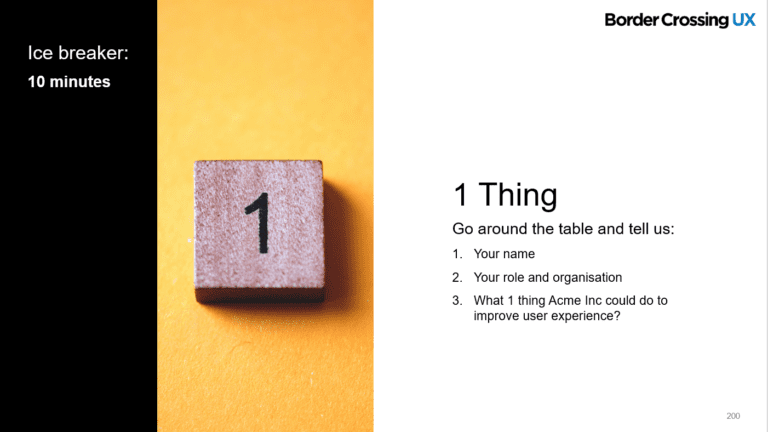
Want to facilitate great workshops and establish an even playing field? Then use an icebreaker to start off your session. Though icebreakers are often seen as a cheesy way to start of a meeting or a workshop they are a great tool in your arsenal. That is why they are the only exercise that is guaranteed to start every workshop that we facilitate.
Transformation projects are conducted by mature or larger organisations and generally refer to a programme of projects, that when delivered will have a transformational impact. By their nature these are high risk/reward and always involve a substantial investment of financial and intellectual capital.
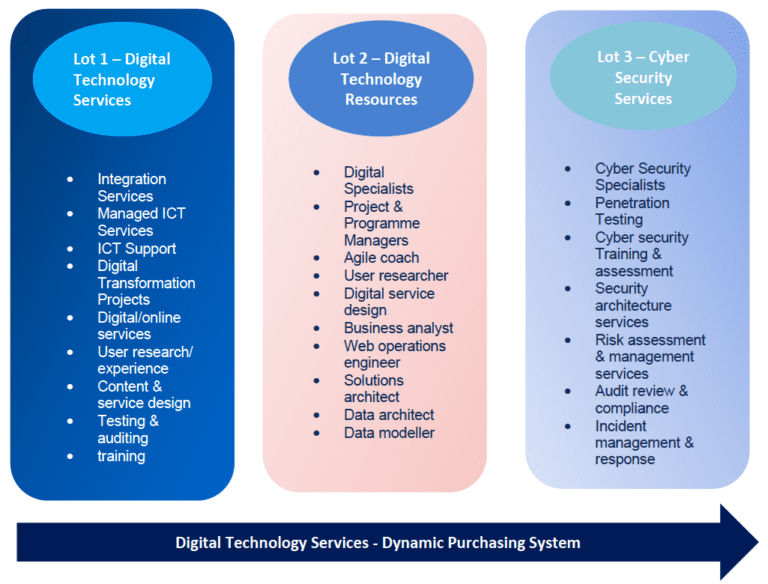
Border Crossing UX are delighted to announce that we’ve been added to Scottish Procurement’s DPS 2.0 for Digital Technology Services Lot 1 (Digital Projects) & Lot 2 (Digital Resources).
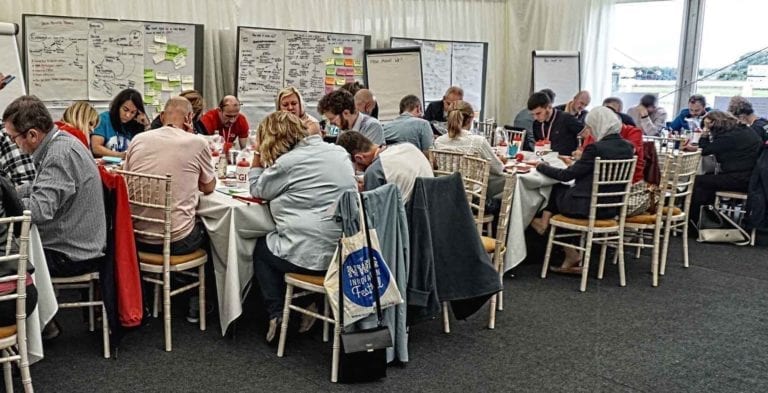
For the 3rd year running, CGI has invited us to design and co-facilitate their design sprint at the Northumbrian Water Group (NWG) Innovation Festival. We’ll be exploring: ‘How Might We enhance rural communities and the environment using emerging technologies?’
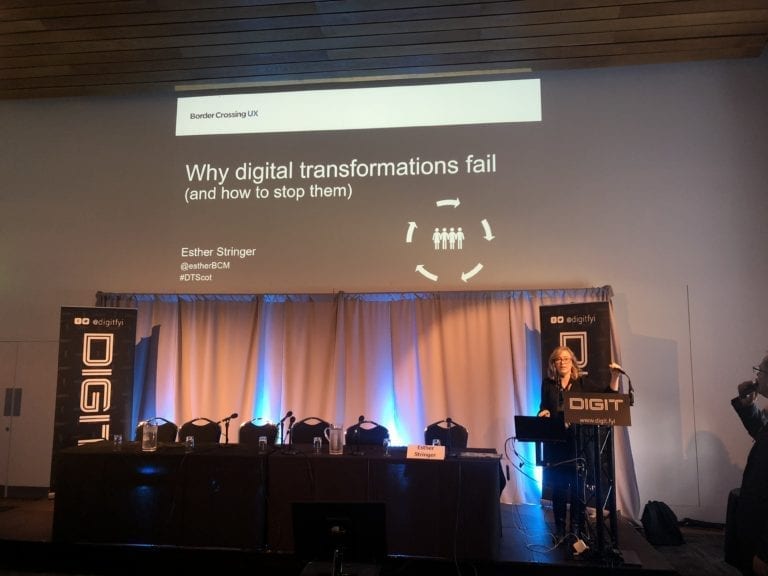
Digital Transformation is no longer the new kid on the block. But the need to deliver a transformation efficiently and effectively has never been more important. That’s why I was pleased to see the immense turnout for DIGIT.FYI’s 4th Annual Digital Transformation Conference.

Strathclyde University Chamber Choir is a Glasgow-based charity boasting European performances and live BBC Radio broadcasts. They wanted to reach a larger audience online. We worked with them to help their music reach more people.
The Internet of Things (IoT) is the front line of innovation. Found all around us, its applications present challenges for both hardware and design. To overcome those challenges, designers need to adopt the right process: user-centred design.

Whether it’s a tin opener or a website, if people can’t use it, they won’t. Usability is integral to success. It directly influences the user experience. Poor usability impacts brand perception, employee productivity and your bottom line.
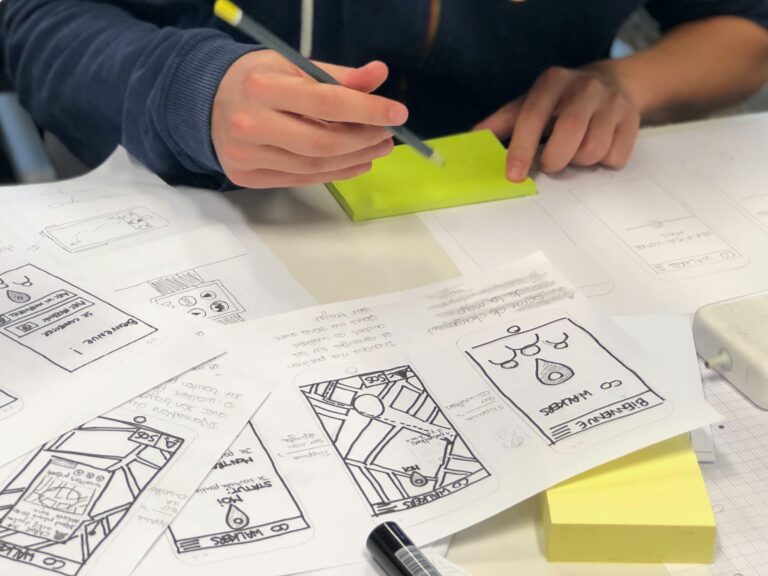
Delivering an experience that truly meets end-user needs and goals is difficult. Often, compelling user experiences are the result of an iterative design process. But how do you validate your designs in user testing without wastage?
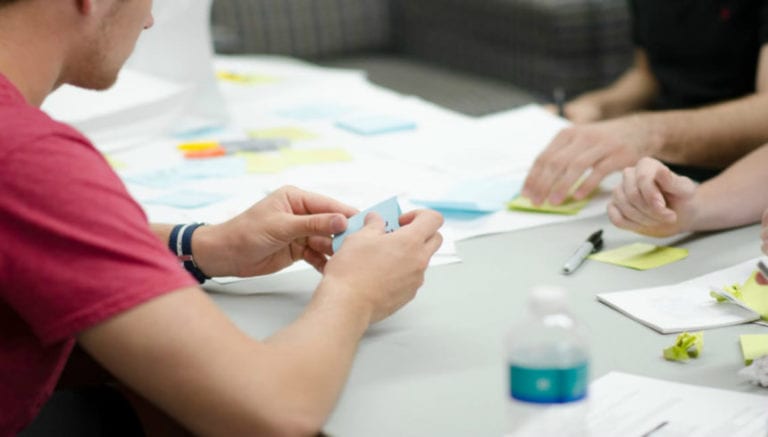
A user experience persona is a fictional character that represents the needs and constraints of a range of real users. It is essentially a design tool used to inform the design at the beginning of a process and validate decisions in the later stages.

Last month I presented my thoughts on Mobile User Experience (UX) at Mobile Scotland 2016. I shared my 3 golden rules of how to deliver a great mobile user experience: 1. Keep it simple; 2. Be personal and; 3. Knowing when to stop.
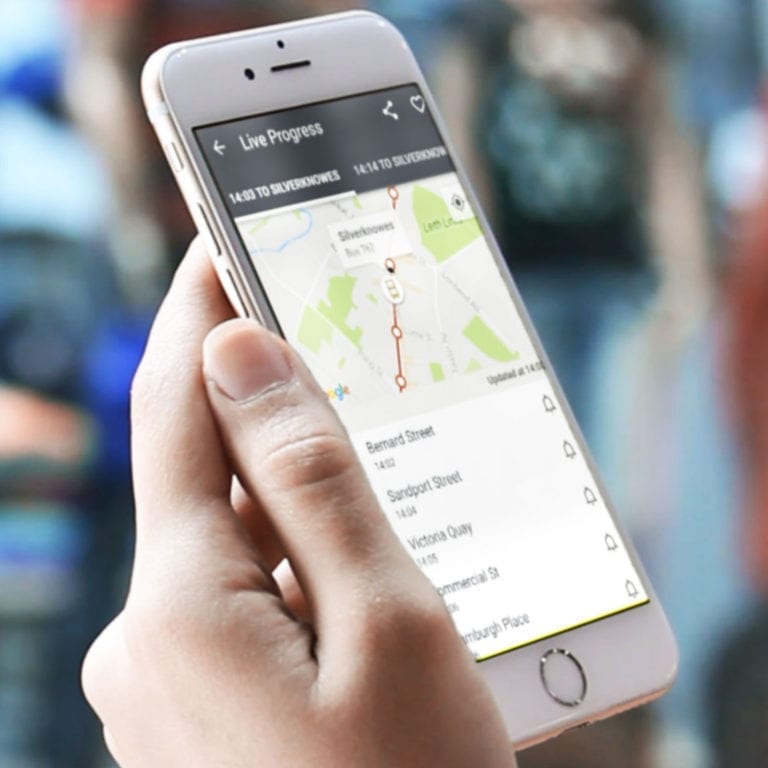
The latest versions of Transport for Edinburgh’s (TfE) journey planning apps are available to download from the App Store and Google Play. Shameless plugs aside we wanted to share what it’s been like working with Lothian Buses’ team.
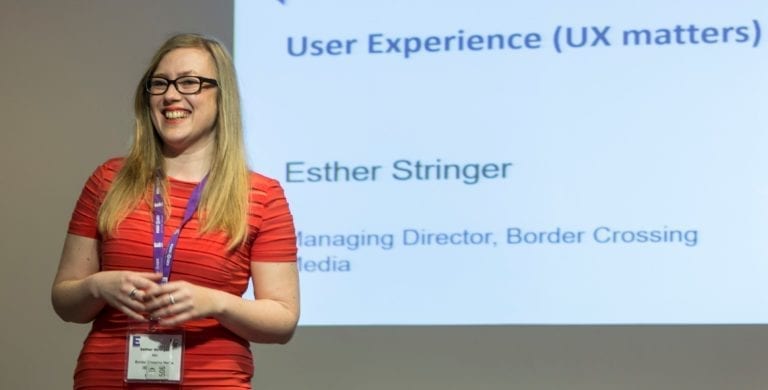
We were asked to present a Learning Zone session at EventIt 2016. Find out how applying user centred design techniques will improve the experience of your events attendees, exhibitors and sponsors – throughout the event lifecycle.

In the age of the consumer, it is vital for companies who conduct business online to identify their user’s goals. By pinpointing the key tasks that people want to carry out on your website, you are establishing your ‘Red Routes’ or ‘Top Tasks’.
A persona is a representation of a user. A good persona should be based on interviews with real customers. A persona then has the ability to help design teams empathise with the user and appreciate their frustrations and difficulties.
Digital Transformation 2016 was one of those awesome events when a bunch talented people get together and talk. In our breakout session I shared how to understand a problem fully before starting to design the right solution.

A storyboard is a method in which to illustrate the interaction between a person and a product. They allow a team to visually map out and specify how a user interacts and reacts to a product whilst considering additional external factors.
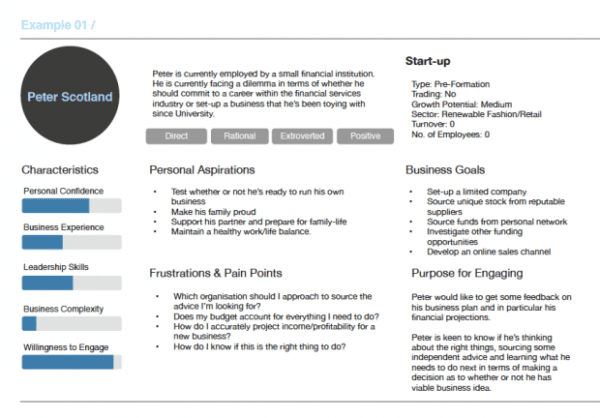
The Business Gateway wanted to identify how they could deliver the most relevant products, services and support to micro-businesses in Edinburgh. We helped them map and design better services for these key Clients.
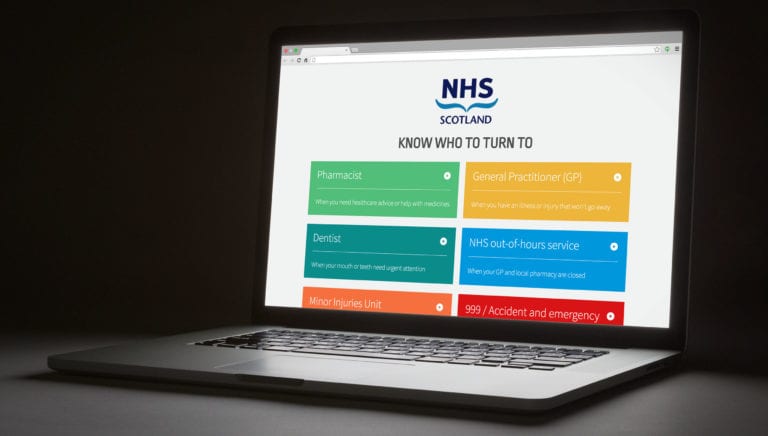
In an ideal world we’d all like to launch a beautiful, complete and bug-free product, on-time to a captive audience of prospective customers. But the truth is you’re more likely to launch a buggy product or service late to your pals.

Over the years I’ve come across and contributed to a diverse range of start-up launch plans. A key ingredient of the successful start-up launches I’ve observed has been a willingness to invest time and thought into an objective-driven plan.
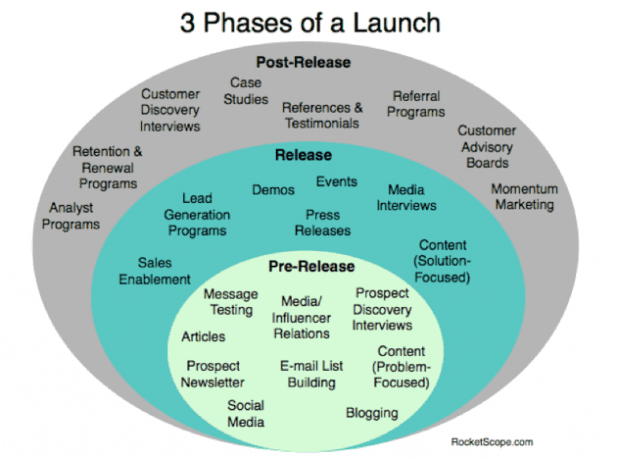
Why are so many start-ups not willing to pre-launch their businesses? When lean start-up or minimum viable product are becoming such well known terms. As UX consultants we collaborate start-ups to pre-launch their business, not their product.
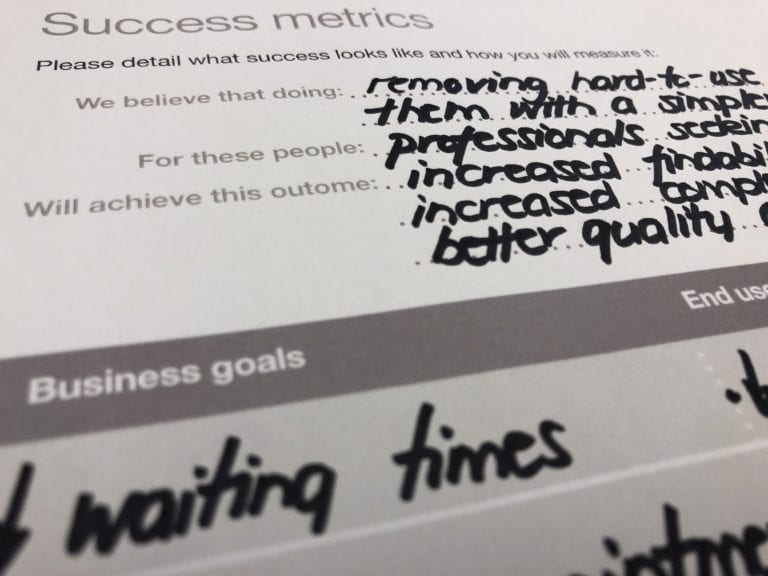
Conversion rate optimisation (CRO) is a process used to increase the percentage of visitors that complete a specific task or action. Generally this relates to financial or data transactions but what that task or action is, doesn’t really matter.
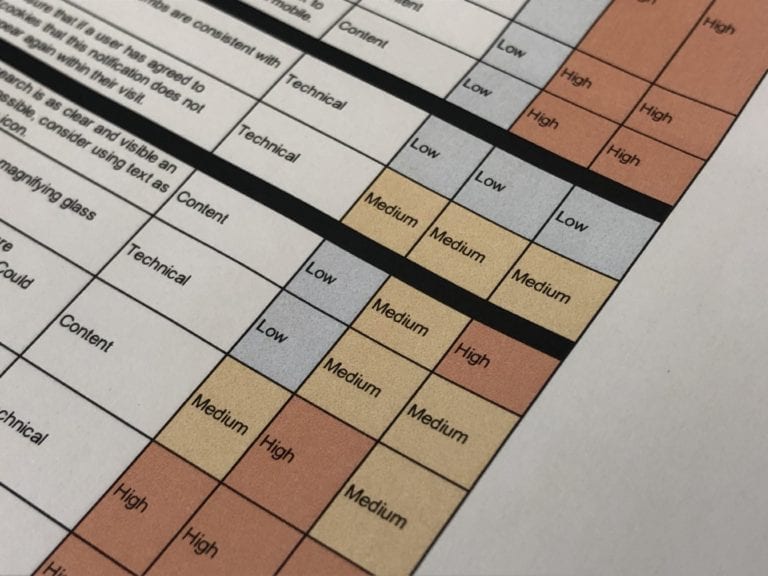
A formal or informal expert usability review is a common starting point for most of our projects. Oddly enough it’s also one of the only methods in user centred design that doesn’t directly involve people who will use the product or service.
Apple have a track record of going against the grain. But what’s interesting is that they’ve always been willing to take business risks. Not just with their hardware and software but the customer experience they deliver.
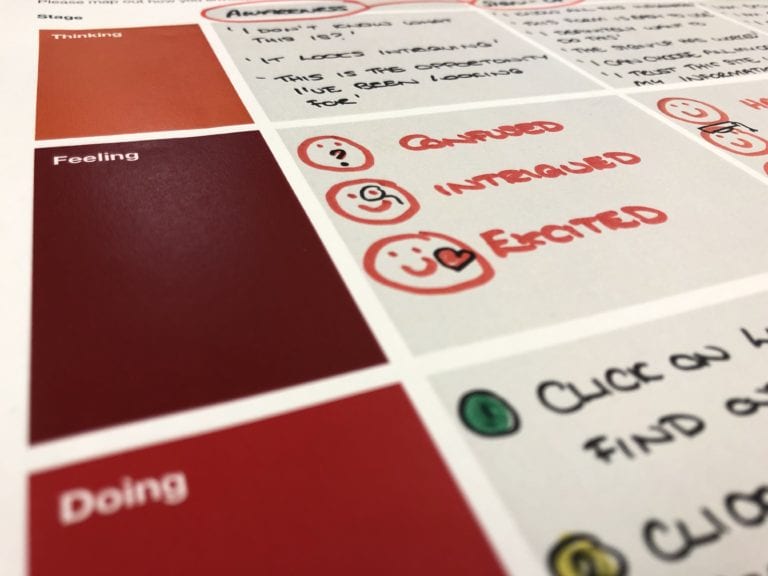
Customer mapping or customer journey mapping is key to delivering an excellent customer experience, whether you operate online or not. It allows you to identify what your customers need, desire and feel when they interact with your company.
‘The Joy of UX’ is a Drum Magazine Special Report that was published last month. The guide features the UK’s leading practitioners, including our own François Roshdy.

A sitemap is a visual representation of a website or application’s structure. It should clearly communicate how all the information is organised.If you are commissioning a new website or a redesign then you should include one in your brief.
Businesses often throw themselves into web design or web development projects. It may take a while for it to happen but once a project is green-lit there’s normally a mad scramble to compile requirements, source quotes and kick-off the project as quickly as possible.

This is a question we are often asked by prospective clients. Normally a quick conversation is enough to convey its importance and the fundamental role it plays in the design and technical projects we undertake.

We do our best not to use jargon when communicating with clients. That said, we do use the terms alpha, beta and official release. These terms are useful because they help everyone understand where we are with a technical development project.
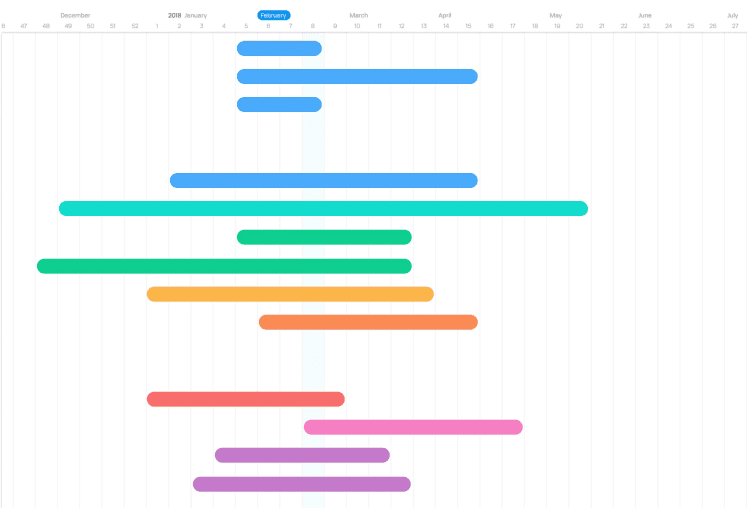
Now first off I want to state that I have learnt this the hard way. There was no epiphany this is just something I’ve learnt by being burnt.

VoC’ or ‘Voice of the Customer’ reports are becoming an increasingly popular topic. But what is a VoC report and do you really need one?
Let’s talk through context, constraints, and where we can have the most impact.